Accidents and medical emergencies can happen at any time, whether it is at home, work, school, or out in the community. A simple slip, a sudden allergic reaction, or someone collapsing nearby can turn an ordinary day into a stressful situation within seconds. In moments like these, knowing what to do before professional help arrives can make a real difference to outcomes.
Basic first aid knowledge gives people the confidence to step in and help rather than freezing or feeling overwhelmed. Understanding how to manage bleeding, burns, choking, or shock allows you to respond calmly and appropriately while waiting for emergency services. This sense of preparedness not only helps the injured person but also reassures everyone around them, reducing panic and confusion.
This article explores why learning basic first aid is so important in everyday life. It looks at common situations where first aid skills are needed, how they can protect lives and prevent injuries from becoming worse, and why first aid training is a valuable skill for individuals, families, and workplaces across Australia.
What Is Basic First Aid?
Basic first aid refers to the immediate care given to someone who is injured or suddenly unwell before professional medical help arrives. It focuses on simple, practical actions that can stabilise a person’s condition, reduce pain, and prevent an injury or illness from becoming more serious. Basic first aid does not require medical qualifications, but it does rely on having the right knowledge and the confidence to act quickly and safely.
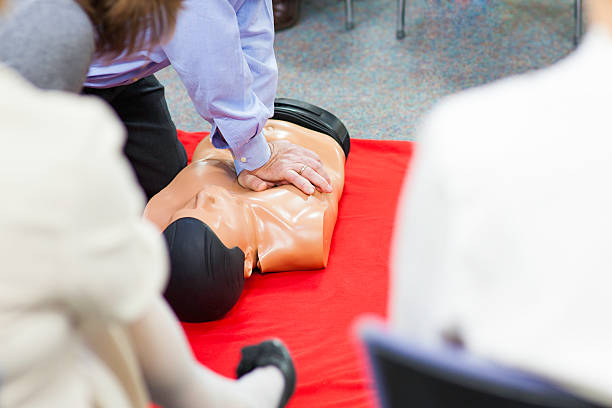
There are several first aid skills that everyone should know, as they are commonly needed in everyday situations. These include treating cuts and bleeding, managing burns, helping someone who is choking, performing CPR, and recognising signs of shock or a heart attack. Knowing how to place someone in the recovery position, use a basic first aid kit, and call emergency services correctly are also essential skills that can make a meaningful difference in an emergency.
First aid is different from professional medical treatment. First aid is about providing immediate, short-term care using the resources available at the scene, while professional treatment is delivered by trained paramedics, nurses, or doctors with specialised equipment. First aid does not replace medical care, but it plays a vital role in supporting the injured person until expert help takes over.
Why is it Important to Learn Basic First Aid
1. Saving Lives in Emergency Situations
In an emergency, the first few minutes can be critical. Quick and informed action can help keep someone breathing, stop severe bleeding, or maintain circulation until help arrives. Without early assistance, even a minor incident can escalate into a life-threatening situation. Knowing how to respond calmly allows bystanders to step in and provide essential care rather than waiting helplessly for emergency services.
There are many real-life situations where basic first aid has saved lives, such as performing CPR on someone who has collapsed, helping a child who is choking, or controlling bleeding after a serious fall or road accident. Early intervention reduces the risk of complications and gives paramedics a better chance of achieving a positive outcome when they arrive. Across Australia, first aid knowledge continues to play a vital role in bridging the gap between an emergency happening and professional medical care taking over.
2. Reducing the Severity of Injuries
Providing the right first aid at the right time can stop minor injuries from turning into serious medical issues. A small cut left untreated can become infected, while an untreated sprain or burn can lead to ongoing pain or long-term damage. Taking early action helps control the situation, protects the injured area, and reduces the risk of complications that may require more intensive treatment later.
Basic first aid skills are especially important when managing common injuries such as bleeding, burns, fractures, and choking. Applying proper pressure to a wound, cooling a burn correctly, supporting a suspected fracture, or helping someone clear a blocked airway can significantly limit further harm. These simple steps help stabilise the person’s condition and prevent the injury from worsening while waiting for medical help.
Correct immediate care also plays an important role in recovery. When an injury is handled properly from the start, healing is often faster and less complicated. First aid supports the body’s natural recovery process and provides a safer transition to professional treatment, helping people return to normal activities sooner and with fewer ongoing issues.
3. Building Confidence During Emergencies
When an emergency happens, confidence can be just as important as knowledge. People who have basic first aid training are more likely to stay calm and focused, even in high-pressure situations. Instead of panicking or stepping back, they can assess what is happening, prioritise safety, and take action with a clear head. This calm approach helps create order in what can otherwise be a chaotic moment.
Knowing what to do removes the need to guess or rely on instinct alone. Confidence built through first aid knowledge improves decision-making, allowing people to respond quickly and appropriately when every second counts. In stressful situations, this confidence helps individuals follow the right steps, communicate clearly with others, and support the injured person effectively until emergency services arrive.
4. Helping Family, Friends, and the Community
Basic first aid skills play an important role in protecting family and friends, especially at home where many accidents occur. From treating burns in the kitchen to responding to falls, allergic reactions, or sudden illness, knowing how to act quickly can reduce harm and provide reassurance to loved ones. Being prepared means you are not relying solely on emergency services and can offer immediate care when it matters most.
First aid knowledge is just as valuable in public places, workplaces, and schools, where incidents can happen without warning. When more people understand basic first aid, communities become safer and more supportive. Shared knowledge encourages people to look out for one another, respond confidently in emergencies, and work together until professional help arrives, strengthening community wellbeing across Australia.
5. First Aid in the Workplace and Daily Life
First aid training is highly valued by employers because it helps create a safer and more prepared workplace. When staff know how to respond to injuries or sudden illness, incidents can be managed quickly and effectively, reducing the risk of serious outcomes. Many Australian businesses see first aid skills as an essential part of workplace safety, as they support employee wellbeing, minimise downtime, and demonstrate a strong commitment to health and safety.
In some industries, having trained first aiders on-site is a legal or regulatory requirement under workplace health and safety standards. Even where it is not mandatory, trained individuals provide clear benefits by offering immediate assistance before emergency services arrive. Their presence helps maintain calm during incidents, supports compliance with safety obligations, and ensures that everyday work environments and public-facing spaces are better equipped to handle emergencies.
6. Supporting Mental and Emotional Wellbeing
First aid is not only about physical care, it also plays an important role in supporting mental and emotional wellbeing during an emergency. Offering reassurance to someone who is injured or unwell can help them feel safer and less alone while waiting for help to arrive. A calm presence and clear communication can reduce distress and make the situation feel more manageable for the person receiving care.
Providing emotional support also helps reduce fear and panic for others nearby, including family members, colleagues, or bystanders. Simple actions such as speaking gently, explaining what you are doing, and showing empathy can have a powerful impact in stressful moments. In first aid situations, strong communication and compassion work alongside practical skills to create a more controlled, supportive environment for everyone involved.
7. Why First Aid Skills Are Useful for All Ages
First aid skills are useful at every stage of life and can be adapted to suit different ages and abilities. Teaching children basic safety awareness and simple response skills helps them understand how to react in everyday situations, such as calling for help, recognising danger, or assisting a friend in need. These early lessons build confidence and encourage responsible behaviour as children grow.
For parents, carers, and older adults, first aid knowledge provides peace of mind and practical support in daily life. It helps adults care for children, support ageing family members, and manage common health concerns with greater confidence. First aid skills offer lifelong value because emergencies can happen at any time, and having the knowledge to respond appropriately remains relevant throughout a person’s life.
How to Learn Basic First Aid
To build strong first aid skills, you can enrol in the HLTAID011 Provide First Aid course offered by METS Training Services. This is a nationally accredited training program that equips you with essential first aid and CPR techniques suitable for both everyday emergencies and workplace settings. The course teaches practical skills such as assessing an emergency, performing CPR, managing bleeding, burns, and choking, and providing care safely until professional help arrives. Training follows the latest Australian Resuscitation Council guidelines to ensure you learn current, effective methods.
METS delivers this course using a blended format that typically includes online learning components combined with face-to-face practical sessions. You’ll complete real-world first aid scenarios and assessments so you feel confident applying your skills in real emergencies. On successful completion, you receive a Statement of Attainment for HLTAID011 Provide First Aid, which is valid for three years, and includes CPR certification (HLTAID009). The training can be done at METS facilities or arranged onsite at a workplace, school, or community venue to suit your needs.
If you want to enrol or get more details, you can visit the course page here: HLTAID011 Provide First Aid at METS Training Services.
Conclusion
Basic first aid is a valuable life skill that empowers people to respond with confidence, care, and clarity when emergencies happen. From everyday accidents to serious medical situations, knowing how to provide immediate support can protect lives, reduce injury severity, and support recovery. First aid knowledge strengthens families, workplaces, and communities by ensuring help is available when it is needed most.
Taking the step to learn first aid is a practical and responsible choice for people of all ages. With the right training, anyone can gain the skills needed to act calmly and effectively in an emergency. Investing in first aid training is an investment in safety, confidence, and wellbeing, helping you be prepared to make a real difference when it matters.
FAQs:
How long does it take to learn basic first aid?
Most basic first aid courses can be completed in one day or over a short period, depending on the training format. Many providers offer a mix of online learning and practical sessions, making it easier to fit training around work or family commitments while still gaining hands-on experience.
Do first aid skills expire over time?
Yes, first aid skills and certifications do expire. In Australia, most first aid certificates are valid for three years, while CPR training is usually recommended to be refreshed every 12 months. Regular refresher training helps ensure your skills stay current and aligned with the latest safety guidelines.
Can first aid training help in everyday injuries?
First aid training is extremely useful for everyday injuries such as cuts, burns, sprains, falls, and minor illnesses. Knowing how to respond correctly can reduce pain, prevent complications, and support faster recovery, both at home and in public settings.
Where can I learn basic first aid?
Basic first aid can be learned through registered training organisations that offer nationally recognised courses. METS Training Services provides the HLTAID011 Provide First Aid course, which covers essential skills, practical scenarios, and current Australian standards. It is suitable for individuals, workplaces, and community groups looking for reliable and recognised first aid training.